Capstone Design Sequence
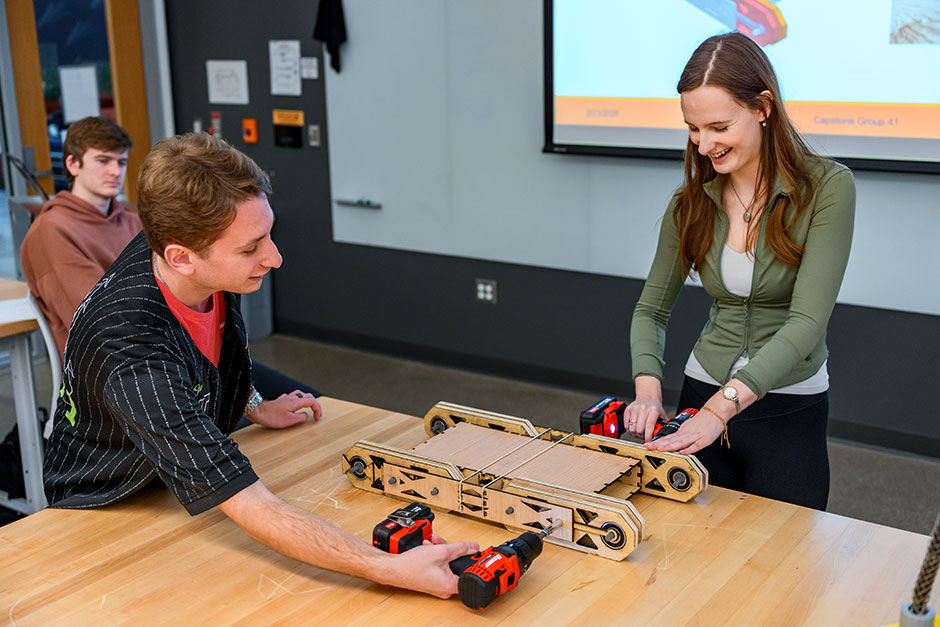
Our Mechanical Engineering Capstone Design Sequence spans three quarters from September to May (Figure 1). A team of 4 students works on a project for 3 quarters, with each quarter lasting 10 weeks. A dedicated capstone faculty member oversees students' work for the full 30 weeks. We require our students to spend approximately 12 hours per week on their capstone project, similar to an internship or job, to simulate real-world experience.
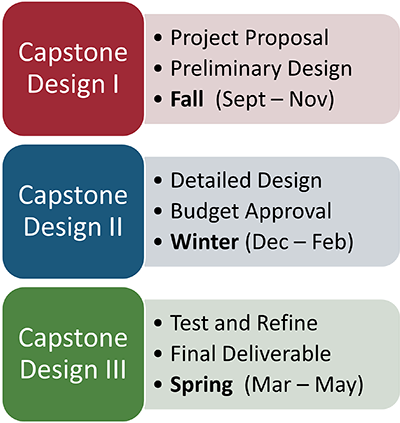
Figure 1. Mechanical Engineering Capstone Design Sequence
Partner with top engineering students to solve real-world challenges—while building your future workforce.
Our goal is to enable our students to deliver a professional design solution to you. The Design Clinics are not structured to generate revenue for the institute; they cover only project and operational costs.
The figure below shows what we are offering our clients to fund a capstone project at a set rate of $10,000 per project. Up to $5,000 of the funded amount is allocated to direct project costs. The remaining amount covers the costs shown on the right. The project team presents a total expected budget when finalizing the design solution. Clients approve the design solution and the total budget, so there should be no surprises for them. For example, if the project's total expenses are $12,000, we will use the $5,000 from the client's initial funding and then send an additional invoice for $7,000.
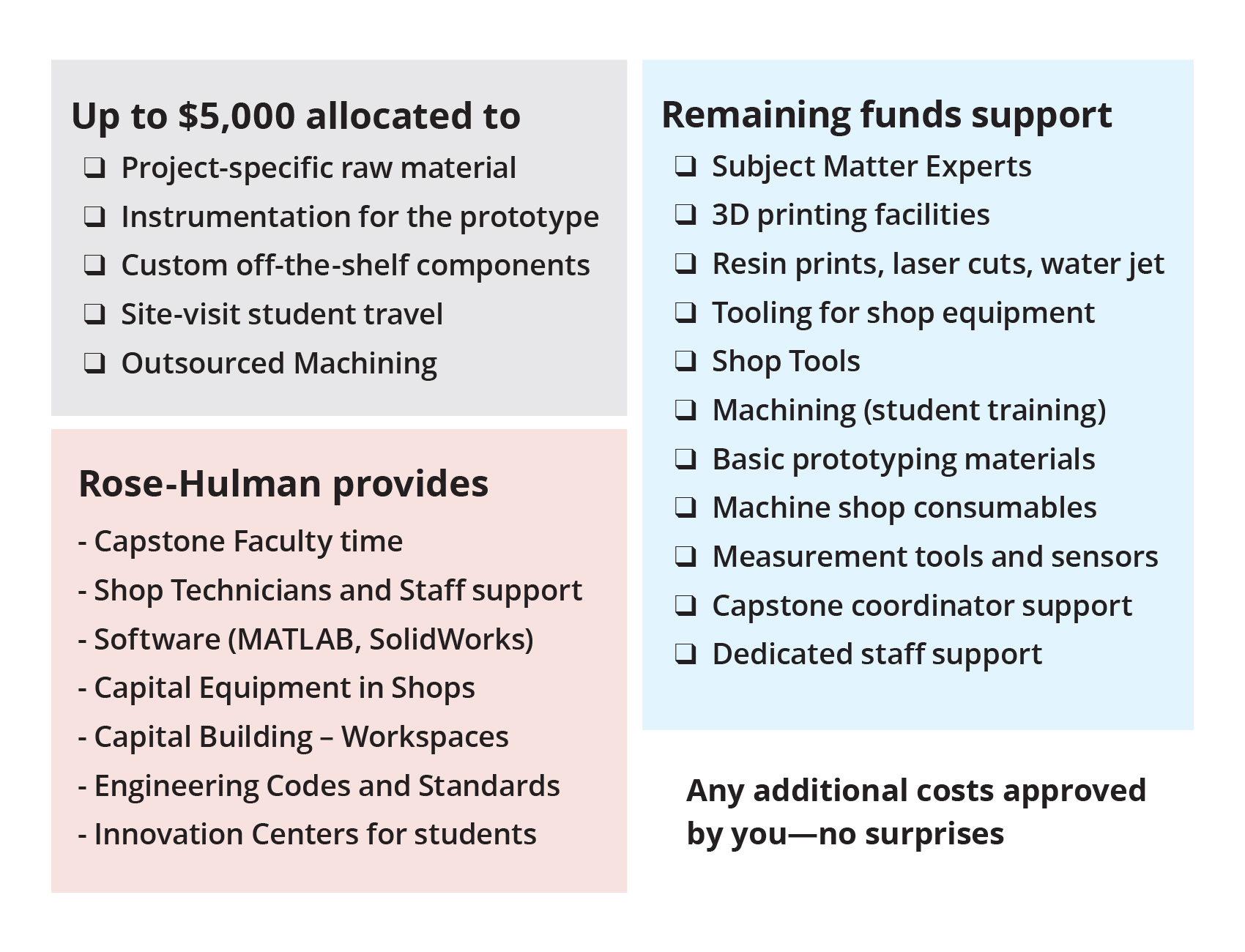 Figure 2. Design Clinic Funding Allocation
Subject Matter Experts
One of our goals with the Design Clinic is to offer a broader range of projects beyond the core faculty's areas of expertise in ME. We hope to resolve this challenge by adding Subject Matter Experts (SMEs) to the Design Clinic. The role of the Capstone Design Faculty will remain that of the project advisor, overseeing course learning outcomes and teaching the design process to our students. Additionally, students have access to all Rose Human faculty office hours. We plan to recruit Subject Matter Experts to expand our expertise by tapping into our network of Rose-Hulman faculty, alumni, and industry professionals. Subject Matter Experts will spend approximately 50 hours with the student team on technical assistance, meetings, presentations, and technical reports.
Design Clinic’s Impact on Stakeholders’ Experience
Client experience: In the Design Clinic, we also plan to simplify the client's experience. They will make a one-time payment, and we will handle the rest. The clients will also provide a company representative to clarify the project's expected outcomes and approve the proposed design solutions through design reviews.
Student experience: Student experiences will improve because we can simulate real-world industry experiences in which their time is valued and, sometimes, overnight shipping is worth it to avoid project delays. Dedicated staff support and extended hours will enable them to maintain their momentum. We would offer an award to the top-performing team as an incentive to maintain their strong performance. This award is based on a 360-degree review conducted for each team, including interactions with clients, technicians, support staff, subject-matter experts, and peers. This high-support environment will also be complemented by a high-expectations model, in which a student can be dismissed from a project for misusing the system or consistently underperforming. They will not fail the course if they are dismissed, but they will be assigned to another project for additional training and support.
Capstone Faculty experience will be simplified because we plan to have a dedicated Capstone Coordinator who will recruit projects, while the faculty focuses on student training. The Capstone Coordinator will be supported by the Design Clinic for building and nurturing our partnerships.
Timeline for Invoicing
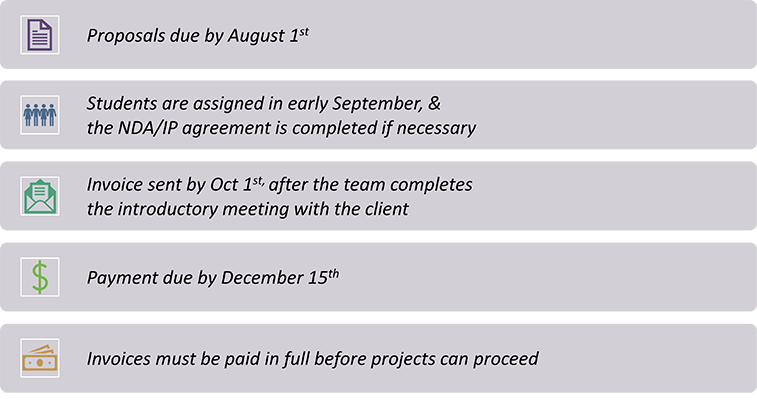
The invoicing timeline is explained below. Clients are welcome to send us specialized equipment, tools, and parts to support the projects.