|
|
|
|
|
|
|
|||



|
|
|
|
|
|
|
|
|
|
||||||



|
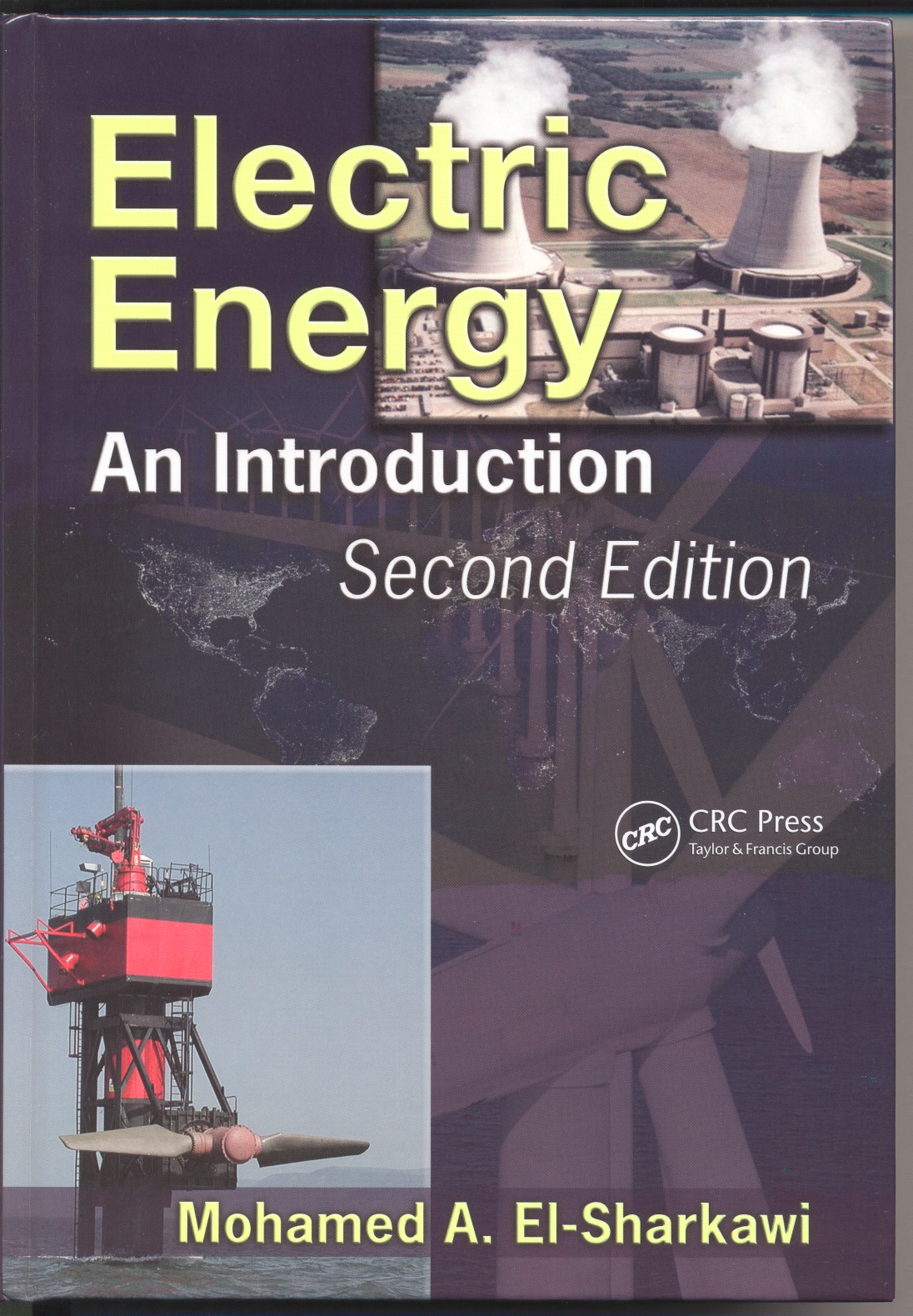
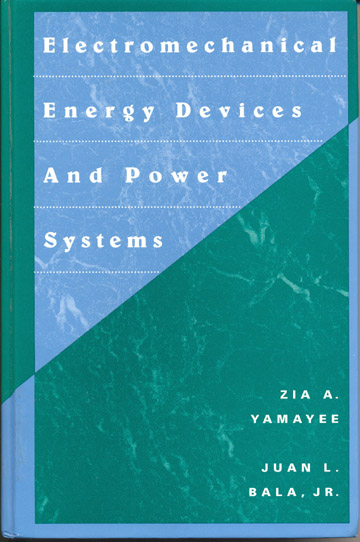
The components that make up the various electrical energy systems are becoming more and more complex. Electricity production starts at “Generating Stations”, it is moved in bulk by the “Transmission System”, being brought to local areas where it is carried by the “Distribution System”, before finally being delivered to the “Customer System” for consumption. Analysis of such systems requires a firm understanding of basic circuit analysis (mainly using phasors) and fundamental electromagnetics. It is impossible to understand how electricity is produced and ultimately utilized without first being able to analyze single and three-phase systems, transformers, along with ac and dc machines. This class provides an introduction to analysis of basic electrical energy systems. Upon successful completion, you will be able to take up challenging summer employment or co-op positions with such companies as electric utilities, consulting engineers, electrical equipment manufacturers, and large consumers. It will also prepare you for follow-on courses such as: ECE470 (Power Systems I), ECE471 (Industrial Power Systems), ECE472 (Power Systems II), and ECE473 (Control of Power Systems). All of which are much sought-after by recruiters and will qualify you for the Power Systems Certificate. |
|||||||||||
|
Last modified: March 3,
2017 |